

Cannabis Concentrates: A Plain-English Guide to Live Resin, Rosin, Hash, and More
Concentrates can feel like the most intimidating shelf in a dispensary — a wall of small glass jars with names like 'live badder' and 'cured sugar' and prices that climb fast. But once you understand what they actually are, the category clicks: concentrates are just cannabis with the plant matter removed. What's left is the cannabinoids and terpenes — the active compounds that produce the experience. This guide demystifies every type you'll see, how they're made, and when each one is the right pick.
What is a cannabis concentrate?
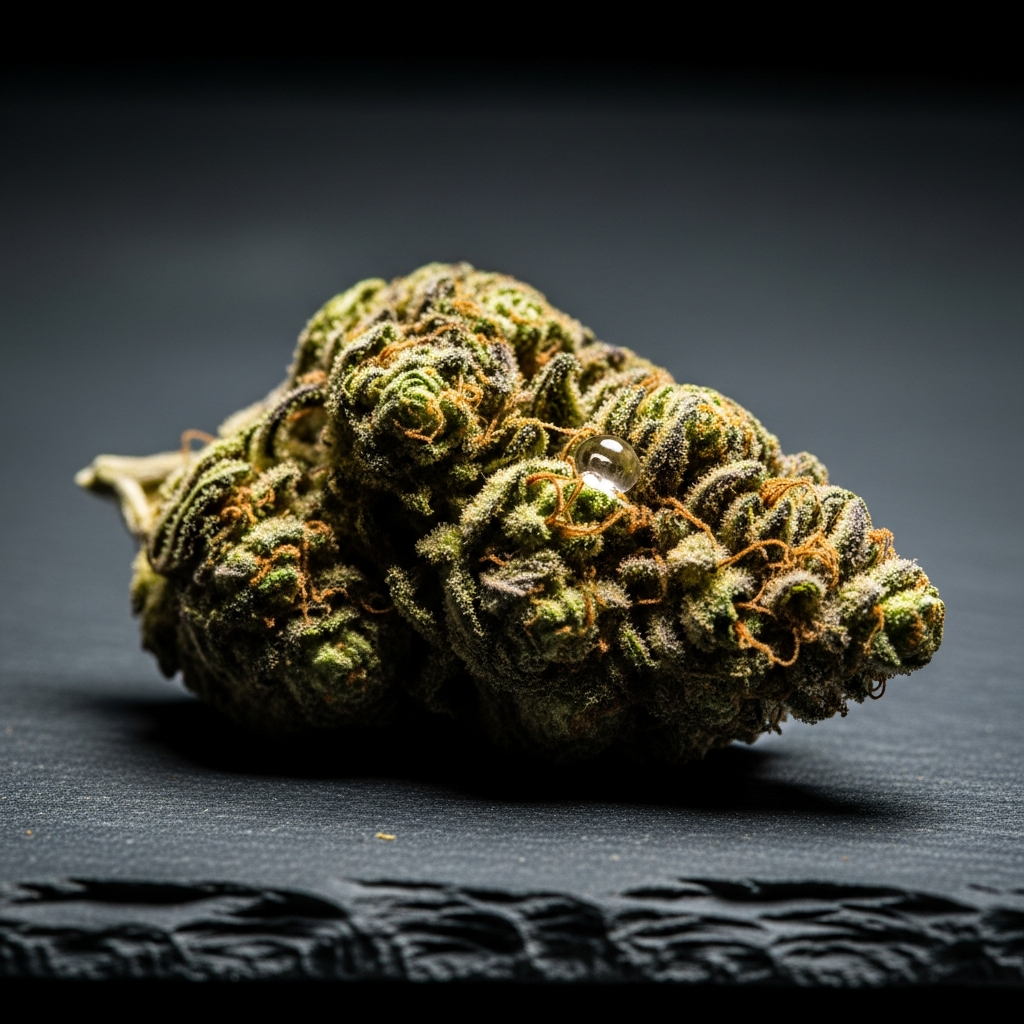
A concentrate is any cannabis product where the trichomes — the tiny, sticky, crystalline glands on the flower's surface — have been separated from the plant matter and collected. Trichomes are where the THC, CBD, terpenes, and other actives live. The rest of the plant (the leafy, fibrous bits) doesn't get you high; it just makes the smoke harsh.
Concentrates have been around for centuries — traditional hashish from the Hindu Kush region is one of the oldest forms. Modern extraction technology just gives us cleaner, more precise versions of the same idea.
The two big extraction families
- Solventless: uses physical force, ice water, or heat + pressure to separate trichomes — no chemical solvents involved. The 'cleanest' category. Includes ice-water hash, rosin, kief, dry sift.
- Solvent-based: uses a solvent (typically butane or CO₂) to chemically strip the actives from the flower, then evaporates the solvent off. Includes live resin, wax, shatter, badder, sauce.
Solventless concentrates: the modern premium tier
Solventless extraction has become the connoisseur preference over the last few years because it preserves terpenes (the smell and flavor) almost perfectly. The most common types:
- Kief: the loose, sandy powder of trichomes that falls off flower naturally (or is collected with a screen). Add it to a joint or bowl for a stronger hit.
- Hash: kief that's been compressed into a brick or ball. Traditional, simple, effective.
- Ice-water hash (bubble hash): trichomes separated using ice water and screens. Grades from 1-star (cooking quality) to 6-star (full-melt, top-shelf). 5-star and 6-star are the dab-quality tier.
- Rosin: made by pressing ice-water hash (or sometimes flower) between heated steel plates. Produces a sticky, sap-like extract with intense terpene preservation. Live rosin (from freshly frozen flower) is the gold standard.
Solvent-based concentrates: precision and texture
Solvent-based extraction (typically butane hash oil, or BHO) lets producers fine-tune texture and consistency. The same starting material becomes wildly different products depending on how it's processed after extraction:
- Live resin: extracted from freshly frozen flower (never dried) — preserves volatile terpenes that disappear during drying. The most flavorful and aromatic solvent-based extract; the basis of most premium vape carts.
- Shatter: extract poured into a thin sheet and cooled until it becomes glass-like and translucent. Stable, easy to handle, but lower terpene retention than live resin.
- Wax / budder / badder: whipped or agitated during the curing process to introduce a creamy, opaque texture. Easier to scoop and dab than shatter.
- Sauce: deliberately not homogenized — you can see distinct THC-A crystals suspended in terpene-rich liquid. Often the most flavorful solvent extract.
- Diamonds: isolated, near-pure THC-A crystals. Extremely potent (often 95%+ THC), almost no terpenes — usually dabbed with a sauce or rosin pairing for flavor.
Potency: what to actually expect
Most flower tests at 18–28% THC. Most concentrates test at 60–90% THC. A single small dab can deliver as much THC as an entire joint — so the dosing curve is dramatically steeper.
| Concentrate | Typical THC | Dose size | Equivalent in flower |
|---|---|---|---|
| Live resin | 70–85% | 0.05–0.10 g dab | ~0.5–1 g flower |
| Rosin / live rosin | 65–80% | 0.05–0.10 g dab | ~0.5–1 g flower |
| Shatter / wax | 75–90% | 0.05 g dab | ~0.5–0.8 g flower |
| Diamonds | 90–99% | 0.03 g dab | ~0.8 g flower |
| Kief / hash | 30–60% | Pinch in bowl | ~0.5 g flower per pinch |
How concentrates are consumed
- Dab rig: a water pipe with a 'banger' (a quartz cup) that you heat with a torch, then drop the concentrate onto. Vapor passes through water to cool, then to you. The traditional concentrate experience.
- E-rig (electric dab rig): battery-powered, no torch needed. Precision temperature control. The modern convenience option (Puffco Peak is the dominant brand).
- 510 vape cart: concentrate (usually live resin) loaded into a disposable cartridge. Pre-filled, low effort, the most accessible concentrate format. The vast majority of NY concentrate sales are vape carts.
- Top a bowl or joint: sprinkle kief, crumble hash, or apply a small bit of rosin on top of flower. The lowest-tech way to use concentrates.
- Edibles or tinctures: many edible producers concentrate first, then infuse into their recipes — but as the end user you're just eating an edible.
Storage & freshness
Concentrates are more shelf-stable than flower in some ways but more delicate in others. Heat, light, and oxygen all degrade terpenes — which is the whole point of concentrates.
- Keep cool and dark: a refrigerator is ideal for long-term storage of solventless rosin (which is the most terpene-rich and degrades fastest). Most other concentrates do fine at room temperature in a sealed jar.
- Use within 6 months: for best flavor — though most concentrates remain potent for 12+ months.
- Silicone or non-stick jars: concentrates are sticky. Glass works but expect to use a heated dab tool to scoop.
Common questions about concentrates 101.
- Are concentrates safer or more dangerous than flower?
- The compound itself (THC) has the same safety profile regardless of how concentrated it is. The risk with concentrates is dose accident — it's much easier to take too much by accident with concentrates than with flower. NY OCM-licensed concentrates also test under strict residual solvent thresholds, so when sourced from a legal dispensary they're held to a higher safety bar than legacy-market concentrates.
- What's the difference between live resin and live rosin?
- Live resin is solvent-extracted (butane) from fresh-frozen flower. Live rosin is solventless — fresh-frozen flower turned into bubble hash, then pressed with heat and pressure into rosin. Live rosin is more expensive, more terpene-rich, and the more 'pure' option. Live resin is more common and more affordable.
- Do I need a dab rig to use concentrates?
- No. The most common entry point is a 510 vape cart, which is just a battery and a cartridge. You can also sprinkle kief or add rosin to a joint. A dab rig is only one of several ways to consume.
- How much does a gram of concentrate cost in New York?
- Pricing varies by category: live resin is typically $40–$70/g, premium live rosin $80–$140/g, kief/hash $20–$45/g, shatter/wax $30–$55/g. Diamonds and ultra-premium rosin can hit $200/g.
- Is one type more pure or 'cleaner' than another?
- Solventless concentrates (rosin, ice-water hash) contain zero solvent residue by definition. Solvent-based extracts are tested for residual solvent and must come under strict thresholds in NY. In practice, both categories from licensed labs are safe — solventless is just the 'cleanest' by definition.
- Can I make concentrates at home?
- Some yes, some absolutely not. Kief (using a grinder) and rosin (with a press and parchment) can be done safely at home. Solvent-based extraction (BHO) is extremely dangerous and illegal to do at home — it has caused house fires and explosions. Stick to licensed product for solvent-based.
What we cited.
This guide draws on independent, peer-reviewed, and government-published sources. Cannabis is a fast-moving field — we update articles as new evidence emerges. For medical questions, always consult a licensed clinician.
Related guides.
Last updated · May 2026 · For adults 21+ · Educational content, not medical advice