

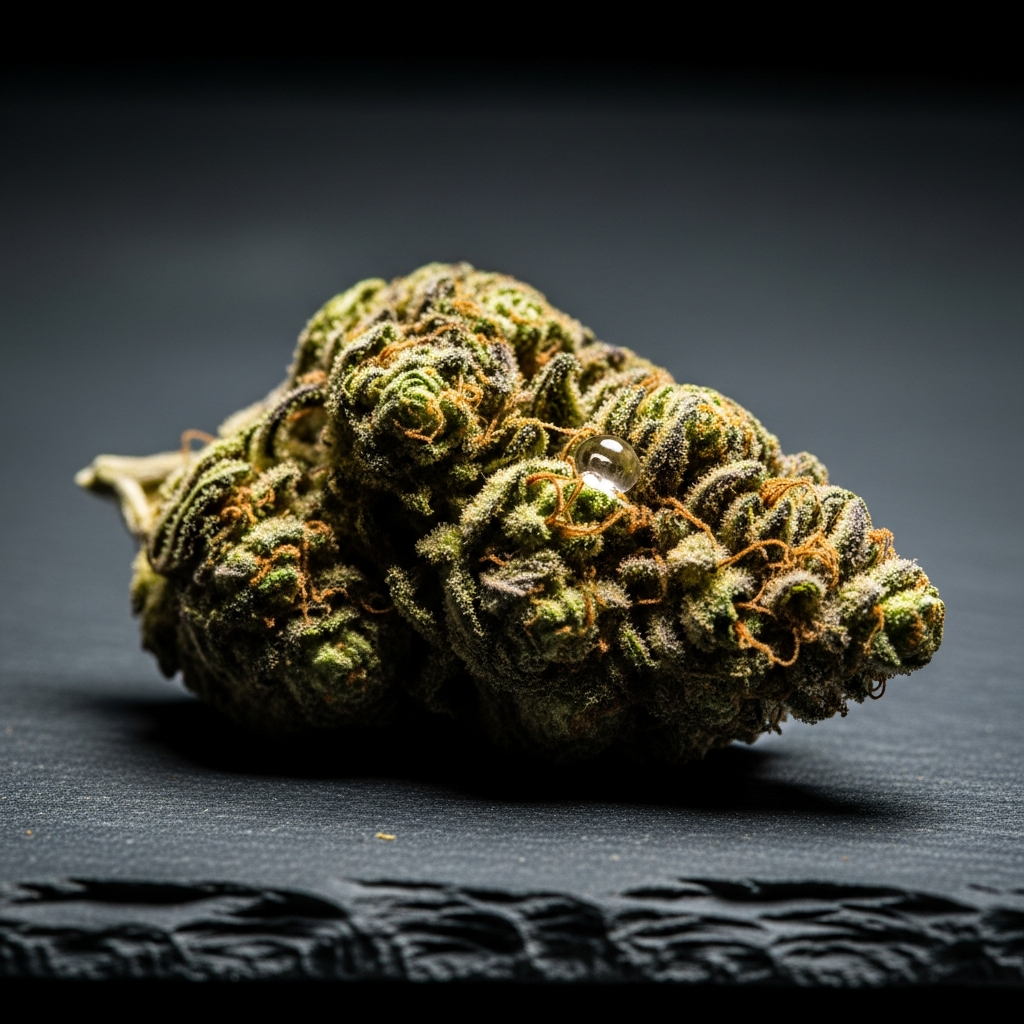
Cannabis Strains: Indica, Sativa, and Hybrid Explained
Walk into any dispensary in New York and you'll see products labeled indica, sativa, or hybrid. These are the three broad categories cannabis is sorted into — and they're a useful starting point, even though the reality is a lot more nuanced than the labels suggest. This guide walks through what each strain family actually means, how to read a label, what terpenes are doing in the background, and how our team helps you choose.
Table of contents (7 sections)▾
What is a cannabis strain?
A strain (sometimes called a cultivar) is a specific genetic variety of the cannabis plant. Strains are bred for distinct combinations of cannabinoids (the active compounds, like THC and CBD), terpenes (the aromatic compounds that shape smell and feel), and growth characteristics.
The terms indica, sativa, and hybrid originally referred to where the plant evolved and what it looked like — but modern breeding has blurred those lines. Today, dispensary labels use the terms mainly as shorthand for what kind of experience you can typically expect.
Indica strains
Indica strains are typically associated with relaxing, sedating, body-heavy experiences. They're the classic 'couch lock' category — favored for evenings, sleep, recovery from physical activity, and quieting an overstimulated nervous system.
- Typical feel: relaxed, sedating, heavy-bodied, mentally quiet
- Best time of day: evening, before sleep
- Common terpenes: myrcene (mango, earthy), linalool (lavender)
- Popular examples: Granddaddy Purple, Northern Lights, Bubba Kush, Wedding Cake
Sativa strains
Sativa strains are typically associated with energizing, uplifting, cerebral effects. They're the classic 'daytime' category — favored for creative work, social settings, light physical activity, and tasks that benefit from focus and curiosity.
- Typical feel: energizing, uplifting, mentally active, sometimes giggly
- Best time of day: morning, midday, social events
- Common terpenes: limonene (citrus), pinene (pine), terpinolene
- Popular examples: Jack Herer, Sour Diesel, Durban Poison, Green Crack
Hybrid strains
Hybrid strains are intentional crosses between indica and sativa lineages, designed to blend characteristics from both. The vast majority of modern strains are technically hybrids — pure indica or pure sativa is rare.
Hybrids are often labeled as indica-leaning, sativa-leaning, or balanced. The lean tells you which direction the experience tips, but a good budtender will tell you the truth about how a specific batch actually plays. Blue Dream is sativa-leaning, Gelato is balanced, Wedding Cake is indica-leaning — and they all behave differently from each other.
How to read a cannabis label
Every legal cannabis product in New York is required to display key information on its label. Here's what to actually look for:
- Strain name: and parent lineage if it's printed
- Indica / Sativa / Hybrid: and the lean for hybrids
- THC %: the dominant psychoactive cannabinoid
- CBD %: non-intoxicating, often used for balance
- Terpene profile: the best brands list this — it shapes the feel as much as THC does
- Lab batch ID and test date: freshness matters; flower older than 6 months is past peak
- Producer license number: every legit NY operator has one
Common cannabis terpenes
Terpenes are the aromatic compounds that give cannabis its smell — and they shape the experience as much as THC does. When you read a terpene profile, the top one or two terpenes (by percentage) usually shape the overall feel more than the indica/sativa label alone.
| Terpene | Smells like | Tends toward |
|---|---|---|
| Myrcene | musky, earthy, mango | calming, body-heavy |
| Limonene | citrus, bright | mood-lifting, uplifting |
| Pinene | pine, forest | cerebral, alert, focus-friendly |
| Caryophyllene | pepper, spice | calming, anti-anxiety |
| Linalool | floral, lavender | deeply relaxing, sleep-supporting |
| Terpinolene | herbal, complex | uplifting, often sativa |
| Humulene | hoppy, woody | earthy, grounding |
How to choose your strain
Step one: tell your budtender what you actually want from the experience, not what type of strain you think you want. Most people walk in asking for 'a strong sativa' when what they actually want is 'to feel social and focused at a dinner party tonight.' A good budtender will translate the second sentence into the right product.
Step two: think about onset and duration. Flower and vapes hit fast and fade in 1–3 hours. Edibles hit slow (30–90 min) and last 4–8 hours. Pick the format that matches the window of time you want.
Step three: start lower than you think. THC tolerance varies enormously. If you haven't used in a few months, treat yourself like a new user. Two puffs, wait fifteen minutes. Half an edible, wait an hour.
Common questions about strains 101.
- Are indica and sativa really different?
- Historically yes — based on the plant's origin and growth pattern. In modern dispensary practice the labels are useful shorthand for expected effects (indica = relaxing, sativa = energizing), but terpenes and individual chemistry matter just as much. Two indicas can feel different if their terpene profiles are different.
- Is higher THC always better?
- No. Beyond about 20–22 % THC, most people don't feel much additional benefit and many feel worse (anxiety, racing heart). Terpene content and freshness matter more than the headline THC number.
- How do I know what strain is right for me?
- Start by describing the experience you want — your mood, your setting, your tolerance, your timeframe. Our budtenders translate that into product recommendations every shift. There's no shame in saying 'I'm new' or 'I haven't used in years.'
- What's the difference between THC and CBD?
- THC is the cannabinoid that produces intoxication — the 'high.' CBD is non-intoxicating. A product with both THC and CBD will feel smoother and less intense than the same THC level alone, because CBD takes the edge off.
- Why does the same strain feel different at different dispensaries?
- Same strain name, different batch. Genetics, growing conditions, harvest timing, drying, and storage all change the final feel. That's why we date every jar and rotate our flower weekly.
Related guides.
Last updated · Feb 2026 · For adults 21+ · Educational content, not medical advice