

Microdosing Cannabis: The Sub-Perceptual Approach to Daily Wellness
Microdosing — taking the smallest effective dose of a substance, deliberately below the threshold of feeling its acute effects — has become one of the fastest-growing approaches to cannabis use, especially among working adults who want the wellness benefits without sacrificing functionality. The premise is simple: your endocannabinoid system responds to tiny amounts of THC and CBD just like it responds to bigger ones; you just don't feel intoxicated. This guide walks through what microdosing actually is, when it makes sense, and how to find your dose.
What 'microdose' actually means
A microdose of THC is generally 1–2.5 mg per serving — well below the typical 5–10 mg recreational dose. At this level, most people report:
- A subtle mood lift (slightly more optimistic, less tense).
- Mild reduction in physical pain or inflammation (if present).
- Slight appetite increase (usually mild).
- No noticeable cognitive impairment (you can work, drive*, parent — though *we still don't recommend driving on any THC, no matter how small).
- No 'high' or perceptual change (this is the defining feature).
Why microdose at all?
The endocannabinoid system (ECS) doesn't require intoxication to respond. Even small amounts of THC interact with CB1 and CB2 receptors and influence pain, mood, inflammation, sleep, and stress regulation. Research published in the British Journal of Pharmacology and elsewhere has suggested that the dose-response curve for many of THC's beneficial effects is biphasic: small doses help; bigger doses sometimes help less or even reverse the benefit (this is why heavy users develop anxiety on doses that used to relax them).
Real-world consumer reasons to microdose:
- Daily wellness without disruption: you can microdose at 8 AM and have a normal workday.
- Anxiety management: low-dose THC + CBD often reduces anxiety without the rebound paranoia of higher doses.
- Chronic mild pain: joint stiffness, residual injury pain, etc.
- Sleep improvement with a small bedtime dose, without next-day grogginess.
- Cost-effectiveness: you use 1/3 to 1/5 of what a recreational user goes through. A pack of low-dose gummies can last a month.
- Tolerance management: regular microdosing maintains the same dose-response over time; heavy use leads to tolerance creep.
Best formats for microdosing
Some product formats lend themselves to microdosing naturally because their unit doses are small and predictable. Others don't — flower and concentrates are too variable to microdose reliably.
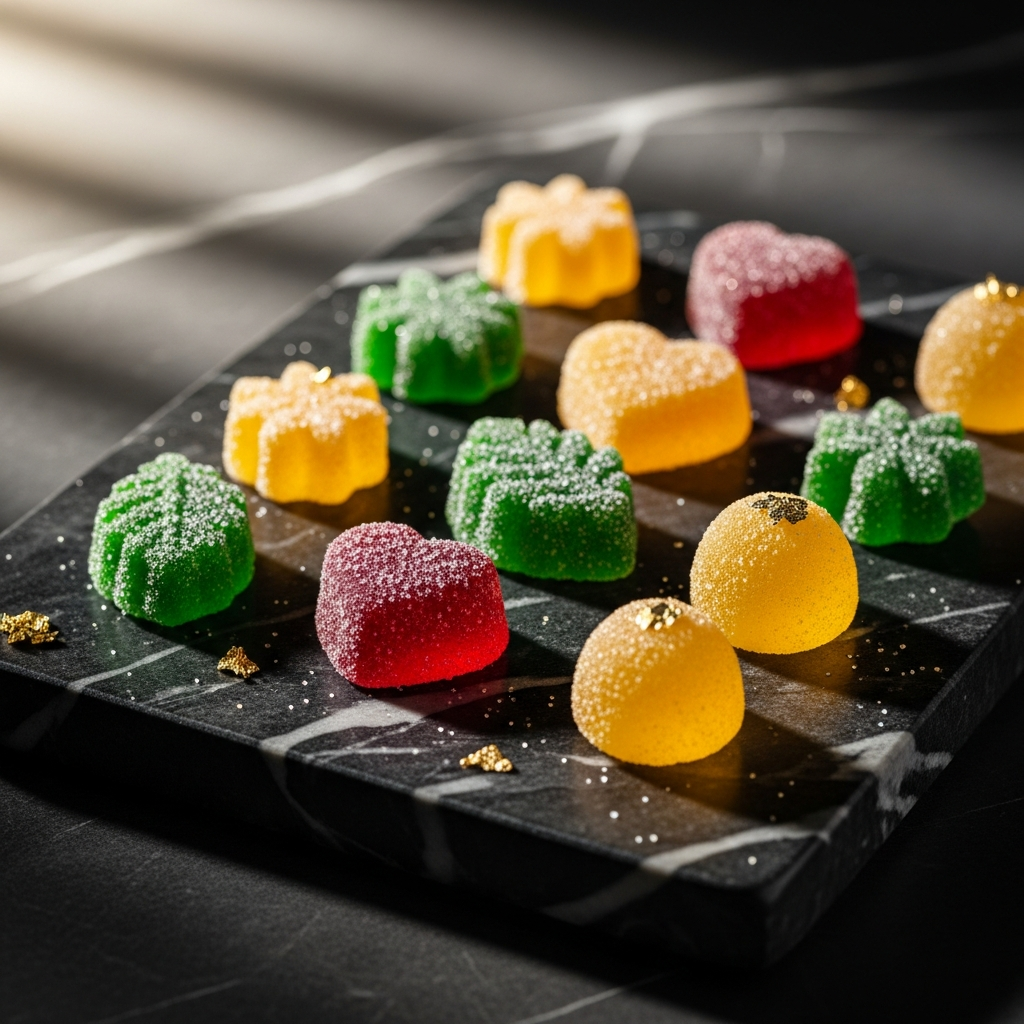
- Best: low-dose edibles (1–2.5 mg per piece). Predictable, easy to dose by simply counting pieces. Most NY brands now offer a 'low-dose' SKU at 2 mg or 2.5 mg per gummy.
- Best: tinctures (1:1 or 2:1 THC:CBD). Use the dropper to dial in exact milligrams. Sublingual absorption gives a 15–30 minute onset — faster than edibles.
- OK: low-dose THC beverages. Increasingly common in NY; useful for social settings.
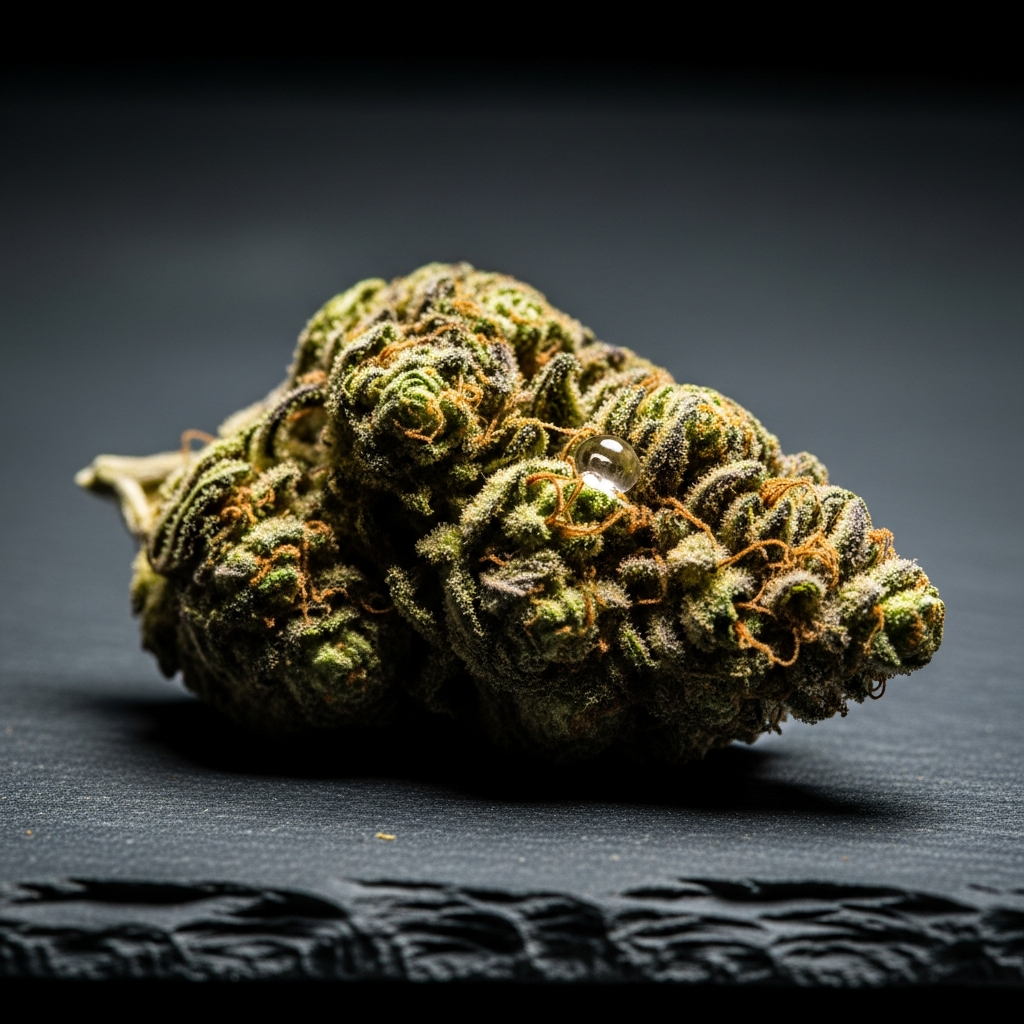
- Hard: flower or vapes. A single inhale delivers a variable, hard-to-measure dose. Possible but requires experience.
- Hard: concentrates / dabs. Too potent per draw to microdose reliably.
How to find your microdose: the protocol
- Start at 1 mg THC. Take it in the morning on a non-busy day. Wait 90 minutes.
- Notice (don't 'try to feel' anything). Any subtle mood lift, energy change, body awareness shift?
- If you felt absolutely nothing: next session, try 2 mg. Wait 90 min. Notice.
- If you felt mildly 'lifted' or relaxed: you've found a working starting microdose. Stay there for 5–7 days before adjusting.
- If you felt high or impaired: back off to 1 mg, or try a 1:2 THC:CBD ratio at the same total THC to soften the edge.
- Pair with consistency: microdosing works best with daily or near-daily use over 2–4 weeks. Single-day microdoses won't show much.
Once you've dialed in a dose that helps without disrupting, that's your 'baseline.' From there you can adjust for context — slightly higher on weekends, slightly lower on busy workdays.
What microdosing isn't
- Not a guaranteed treatment for any medical condition. Microdosing is a wellness practice, not medicine. Talk to a doctor for medical questions.
- Not a way to avoid drug tests. Daily low-dose THC still creates urinary THC metabolites that show up on standard tests.
- Not the right approach for acute symptoms. If you have a migraine starting now, a 1mg gummy won't do the job — that's a higher-dose use case.
- Not for everyone. About 10–15% of people are 'non-responders' to low-dose THC and need higher amounts for any noticeable effect. That's a normal biological variation.
Microdosing + CBD: the ratio matters
Many wellness microdosers prefer THC:CBD ratio products at low doses — a 1:1, 1:2, or 1:4 ratio at 2.5 mg total THC tends to feel smoother and more 'wellness-y' than 2.5 mg THC alone. The CBD softens any edge while preserving the therapeutic benefits.
Ratios our customers ask for most often in microdosing products:
- 1:1 (2.5 mg THC + 2.5 mg CBD) — balanced lift + calm.
- 1:2 (2 mg THC + 4 mg CBD) — subtle warmth, more wellness-leaning.
- 2:1 (5 mg THC + 2.5 mg CBD) — slightly more euphoric, still functional.
Common questions about wellness dosing.
- Is microdosing safe?
- For healthy adults, yes — and arguably safer than recreational doses because the smaller amount carries lower risk of side effects (anxiety, paranoia, racing heart). That said, if you have a personal or family history of psychosis, are pregnant, or take medications that interact with the liver's CYP enzymes, talk to a doctor first.
- How long until I notice benefits?
- Single-day effects are subtle by design. The cleaner indicator is the cumulative pattern over 2–4 weeks: do you feel modestly better, sleep slightly better, manage stress slightly easier? Microdosing is a practice, not a single-dose experience.
- Will I build tolerance to microdoses?
- Less than you would to recreational doses. People who microdose daily generally stay on the same dose for months without escalation. Heavy daily users at 10+mg do build tolerance and need progressively more.
- Can I microdose with flower?
- It's harder. A single inhale of high-THC flower delivers a variable dose somewhere between 2–10 mg of THC depending on flower potency and inhale depth. If you want to microdose with flower, a low-THC (under 15%) cultivar, a single small puff, and a 15-min wait is the closest approximation.
- Does microdosing show up on a drug test?
- Yes. Standard urine tests detect THC metabolites, and daily microdosing creates a steady baseline of those metabolites. If you're tested, microdosing is not a way around it.
- Should I microdose before work?
- Many of our customers do — but with two caveats. (1) Find your true sub-perceptual dose first; don't experiment before a workday. (2) Even at microdoses, never drive immediately after dosing. NY DWI law does not have a 'too low to count' threshold for cannabis.
What we cited.
This guide draws on independent, peer-reviewed, and government-published sources. Cannabis is a fast-moving field — we update articles as new evidence emerges. For medical questions, always consult a licensed clinician.
Related guides.
Last updated · May 2026 · For adults 21+ · Educational content, not medical advice